Wedding Seating Plan Guide: Top Table Layouts and Tips
You thought the guest list was hard? Now you need to fit everyone onto tables of eight or ten, decide who’ll get on well together, and work out who’s best kept apart.
The seating plan is one of the last big planning jobs, usually done four to six weeks before the wedding, once your RSVPs are in. Here’s how to make it less painful.
Start With the Top Table
The top table sets the tone for everything else, so decide on it first.
The traditional UK top table order
Looking at the top table from the guests’ side, the traditional order from left to right is:
- Chief bridesmaid
- Groom’s father
- Bride’s mother
- Groom
- Bride
- Bride’s father
- Groom’s mother
- Best man

Modern alternatives
Families come in all shapes, and the traditional layout doesn’t always fit. Popular alternatives include:
- A sweetheart table for just the two of you, with parents hosting their own tables nearby
- Parents’ tables, where each set of parents hosts a table with their closest friends and family
- A long banqueting table with the wedding party mixed in among guests
- Partners on the top table, so nobody’s partner is sat alone across the room
If parents are separated, it’s often kinder to give each their own table near the front than to squeeze everyone onto one long table.
Tips for the Rest of the Room
- Group by connection. Seat guests with at least a couple of people they know: school friends, work friends, cousins.
- Mix gently. Put a confident, chatty guest on each table to bring everyone together.
- Think about the elderly. Seat grandparents close to the top table and away from the speakers and band.
- Families with young children are happiest near an exit or toilets.
- Consider a children’s table for older children, with colouring and games, but keep little ones with their parents.
- Separate anyone who doesn’t get on. Nobody will notice, and it avoids any awkwardness.
- Don’t create a “singles” table. Seat single guests among friends instead.

Practical Bits
- Use sticky notes or a spreadsheet so you can move people around easily.
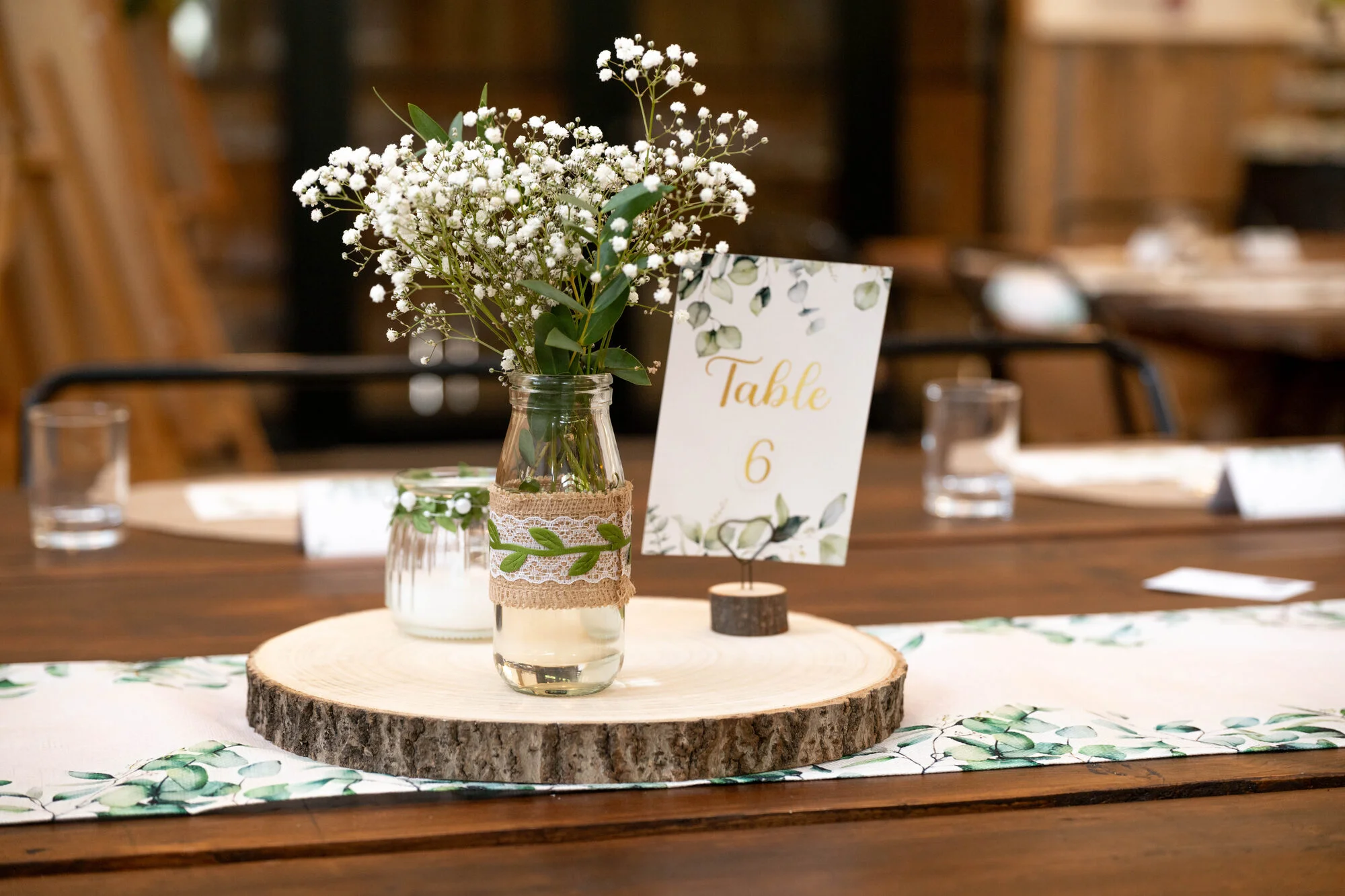
- Name your tables after places, songs or anything meaningful to you, rather than numbers, so nobody feels they’re on “table 12”.
- Send the final plan to your venue, including dietary requirements for each table.
- Display it clearly near the entrance to the room, with names in alphabetical order so guests can find themselves quickly.
Why It Matters for Your Photos
A well-planned room makes for a happy room. When guests are sat with people they love, the wedding breakfast is full of laughter, and that’s exactly what I love to photograph during the meal and speeches.
If you’d like to keep guests entertained between courses, have a look at my I Spy wedding game.
More from the Wedding Planning Series
- You're engaged, now what?
- UK wedding planner checklist
- Who to invite to your wedding
- How to choose a wedding venue
- 10 questions to ask your wedding venue
- How much does wedding photography cost?
- Wedding payment calculator
- How a wedding planner can help
- Groom's speech do's and don'ts
- UK wedding traditions
- I Spy wedding game for guests
- 9 things to do after your wedding
- Changing your name after marriage
Planning a wedding in Devon or Cornwall? I'd love to hear about it.
About Mike Lister
A Devon-based photographer specialising in weddings, commercial work, and drone photography. With years of experience capturing life's most important moments, Mike brings warmth, professionalism, and artistic vision to every project.
Learn more about Mike